Heat Pump Solutions: The Perfect Answer for All-Season Comfort
Heat pump systems deliver a practical solution for keeping indoor spaces comfortable year-round. By utilizing a sustainable refrigeration cycle, these systems efficiently manage both heating and cooling while reducing overall energy expenses. The benefits they offer for indoor air quality and available energy rebates make them a growing choice. That said, gaining knowledge of their installation and upkeep is key to fully realizing their advantages. What key considerations should homeowners keep in mind when selecting the ideal heat pump for their home?
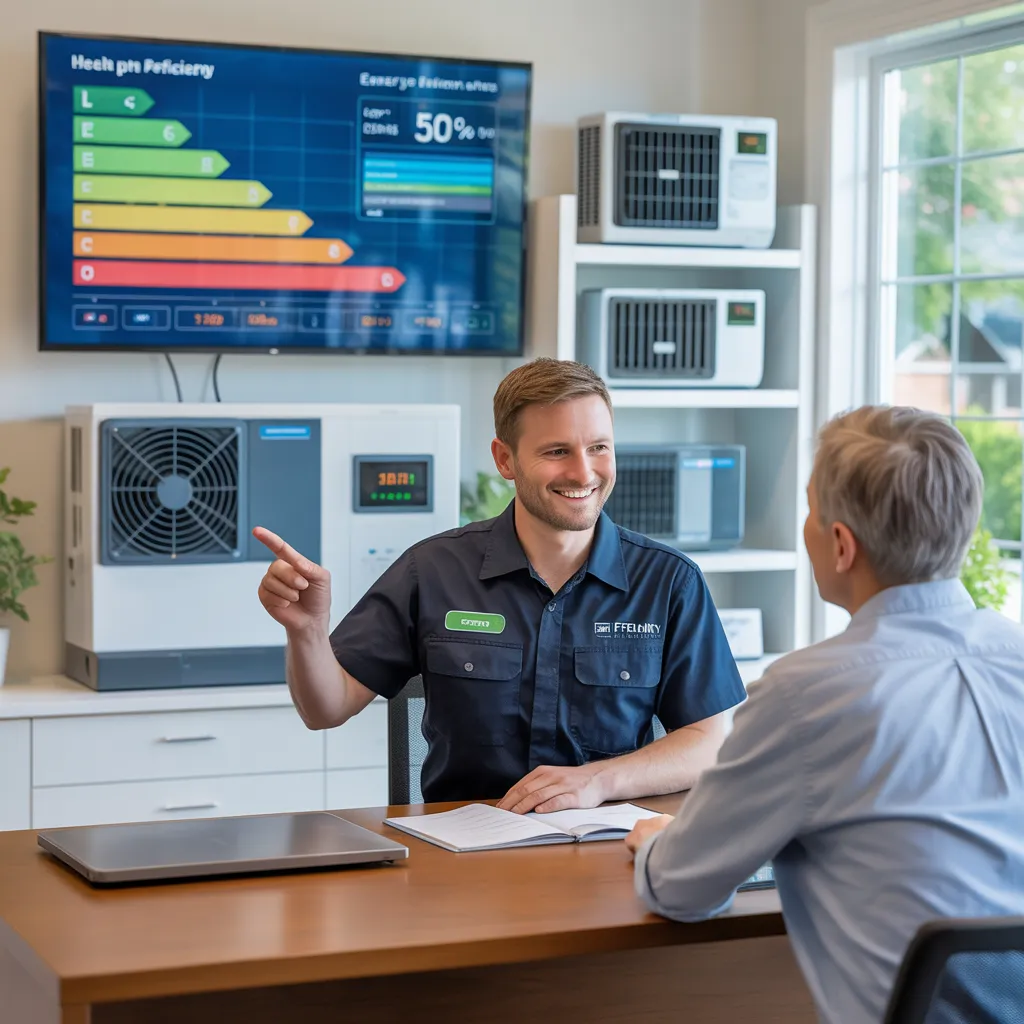
Understanding How Heat Pumps Work and Why They Are Essential
While many individuals might not fully understand the complexities behind heat pump technology, understanding how they operate reveals their importance in contemporary climate control systems. Heat pumps are designed to transfer heat rather than generate it, utilizing a refrigeration cycle similar to that found in air conditioners. In colder months, they draw heat from the outdoor air, regardless of low temperatures, and move it inside. On the other hand, in warmer seasons, they reverse their operation, drawing out indoor heat and dispersing it outside.
This twofold feature makes heat pumps exceptionally flexible, offering comprehensive heating and cooling options. They generally operate on electricity, providing a more energy-conscious option compared to conventional heating systems, including furnaces. By utilizing naturally occurring heat from the environment, heat pumps not only reduce energy consumption but also contribute to lower greenhouse gas emissions, supporting modern sustainability objectives. Therefore, their operation is essential in promoting sustainable energy practices while enhancing indoor comfort year-round.
Key Benefits of Heat Pump Services
What are the advantages of heat pump services? First and foremost, they offer superior energy efficiency, markedly reducing utility bills compared to traditional heating and cooling systems. Since they move heat instead of producing it, heat pumps work more sustainably, making them a green and responsible choice. Furthermore, these systems provide flexible climate control, reliably providing warmth in the winter and cooling comfort in the summer.
Routine maintenance services ensure peak performance, increasing the longevity of the system and minimizing the risk of unexpected breakdowns. Moreover, heat pumps have the ability to elevate indoor air quality by filtering out pollutants and humidity, establishing a cleaner and healthier living space.
Lastly, the implementation of heat pump services frequently qualifies homeowners for energy rebates and financial incentives, making them a economically wise investment. Overall, heat pump services deliver a cost-effective, practical, and eco-friendly solution for all-season comfort.
A Guide to Installing a Heat Pump
Implementing a heat pump demands thorough evaluation of multiple aspects. Essential considerations include identifying an optimal placement area, understanding electrical requirements, and refining placement to enhance effectiveness. Considering these factors ensures a seamless implementation and enhanced operation of the heat pump setup.
Site Selection Considerations
Selecting the ideal spot for a heat pump installation is essential for maximizing operational efficiency. The location should be free from impediments that could restrict airflow, such as fences, trees, or buildings. Maintaining adequate space around the unit promotes maintenance and improves operational efficiency. Moreover, selecting a site with ideal sun exposure can improve heat absorption during the winter season. The soil conditions must also be suitable; a level, stable surface is critical for the unit's longevity. Moreover, proximity to existing ductwork or heating systems can simplify installation and reduce costs. Ultimately, consideration of noise levels is essential, as heat pumps can emit sound, affecting nearby living areas. Appropriate site selection ultimately contributes to the heat pump's lifespan and effectiveness.
Electrical Specifications Summary
Understanding the electrical specifications is essential for a successful heat pump installation. Proper electrical setup confirms the system functions effectively and securely. Initially, the main service panel must be inspected to ensure it can accommodate the heat pump's load. In most cases, a standalone circuit is required, often calling for a 240-volt supply, depending on the unit's settings. An appropriately sized breaker, typically 20 to 60 amps, should be installed to prevent overload. Furthermore, certified electrical professionals should be contacted to ensure compliance with local codes and regulations. Adequate grounding and wiring practices are vital for optimal performance and security. Addressing these electrical considerations will promote a successful installation and enhance the lifespan of the heat pump system.
Tips for Heat Pump Placement
Proper placement of a heat pump greatly affects its performance and efficiency. To ensure the best performance, it is essential to set up the outdoor unit in a well-aerated location, away from barriers like walls or vegetation. For best results, the unit should be lifted to minimize water pooling during periods of heavy rainfall. Furthermore, positioning the indoor unit centrally optimizes airflow and climate management throughout the space. Verify that both units are level to facilitate proper drainage and reduce noise. Be mindful of local zoning requirements and noise guidelines when choosing a suitable location. Finally, avoid placing the heat pump near windows or sensitive areas to limit interruptions and improve overall comfort. Adhering to these recommendations will support long-term performance and reliable operation of the heat pump system.
Essential Heat Pump Maintenance Tips for Optimal Efficiency
Ensuring optimal operation of a heat pump necessitates consistent care and periodic servicing. Key practices include changing filters on a consistent basis to guarantee efficient airflow and scheduling annual professional inspections for comprehensive review. These steps can greatly enhance the longevity and effectiveness of the unit.
Scheduled Filter Replacement
Consistent filter replacement plays a vital role in optimizing the performance and longevity of heat pumps. Filters capture dust, allergens, and particles, stopping them from spreading throughout the system. When filters become clogged, airflow is restricted, leading to increased energy consumption and reduced heating or cooling effectiveness. Consistently replacing filters can significantly enhance indoor air quality and ensure optimal performance. Ideally, filters should be checked monthly and replaced every three months, or more frequently in high-use situations. This simple maintenance task not only enhances system efficiency but also prolongs the life of the heat pump. Homeowners ought to review their unit's manual for particular filter instructions, securing a well-kept system that functions reliably all year long.
Annual Expert Inspections
Yearly professional evaluations are critical for ensuring optimal performance of heat pumps. Such inspections help uncover potential concerns before they develop, sparing homeowners from costly fixes and inefficient functioning. Throughout an inspection, skilled technicians evaluate multiple components, such as refrigerant levels, electrical connections, and total system efficiency. They further clean vital parts, which results in better air quality and improved energy efficiency. Arranging these evaluations at least once annually ensures that the heat pump runs efficiently across all seasons, boosting comfort and lowering energy expenses. Consistent upkeep not only extends the service life of the unit but also ensures adherence to warranty conditions. As a result, yearly professional inspections represent a sound investment for every heat pump owner desiring dependable performance.
Top Heat Pump Problems and How to Fix Them
Even though heat pumps are celebrated for their effectiveness and versatility, they may experience several problems that can affect their performance. One prevalent concern is poor heating or cooling performance, typically resulting from clogged filters or obstructed ducts. Regular maintenance, including filter changes and duct cleaning, can resolve this issue. Another frequent concern is unusual noises, which could signal loose fittings or deteriorating components. Locating the origin of these noises and securing or replacing components can resolve the issue.
Additionally, refrigerant leaks may reduce system efficiency. When low refrigerant levels are identified, seeking assistance from a certified technician is recommended. Finally, frequent cycling could indicate a faulty thermostat or an oversized system, resulting in inefficient operation. Adjusting the thermostat settings or consulting with a professional for system assessment can help restore balance. Tackling these concerns quickly ensures peak performance and increases the longevity of the heat pump.
Comparing Heat Pumps to Traditional HVAC Systems
When comparing heating and cooling solutions, the differences between heat pumps and traditional HVAC systems become evident. Heat pumps operate by transferring heat rather than generating it, rendering them background information more environmentally friendly. By comparison, traditional HVAC systems rely on combustion or electric resistance to produce heat. This key distinction permits heat pumps to offer both cooling and heating functions, a versatility that traditional systems lack.
In addition, heat pumps usually have a longer lifespan and demand less maintenance when compared to conventional HVAC units. They additionally operate more quietly, contributing to a pleasant indoor atmosphere. That said, conventional systems may work more effectively in very cold climates, where heat pumps might find it challenging to gather sufficient heat. In the end, the decision between heat pumps and conventional HVAC systems depends on specific climate conditions, efficiency targets, and individual heating and cooling needs, making thorough assessment vital for residential property owners.
Picking the Ideal Heat Pump for Your Home
How can homeowners determine the most suitable heat pump for their needs? Finding the ideal heat pump means assessing a number of critical criteria. As a starting point, homeowners must consider the dimensions of their living area, as the unit's capacity must align with the home's square footage for maximum efficiency. Furthermore, the local climate is a significant factor; regions with extreme temperatures may require more robust systems.
Energy efficiency metrics, such as SEER (Seasonal Energy Efficiency Ratio) along with HSPF (Heating Seasonal Performance Factor), should also be considered. Higher ratings typically indicate lower operating costs. Homeowners should also consider the kind of heat pump—air-source, geothermal, or ductless—depending on their individual installation needs and budget.
In conclusion, speaking with a qualified HVAC expert can supply customized guidance and secure proper installation, as a result improving the property's comfort and overall energy performance year-round.
Questions We Often Receive
Do Heat Pumps Perform Energy-Efficiently in Severe Weather Conditions?
Heat pumps can be highly efficient even in harsh weather conditions, but their efficiency can decline in extremely cold temperatures. Correct sizing, professional installation, and additional heating solutions boost performance and efficiency, guaranteeing reliable temperature control all year long.
How Long Do Heat Pumps Typically Last?
Heat pumps generally have a lifespan of between 15 to 20 years, based on how well they are maintained, how frequently they are used, and the surrounding environment. Regular servicing can extend their lifespan, maintaining top-level performance throughout their service life in diverse weather conditions.
Are Heat Pumps Effective in Colder Climates?
Absolutely, heat pumps can operate in colder climates, however their effectiveness may diminish as temperatures fall. Contemporary units are designed to function effectively even in freezing temperatures, offering heat year-round.
What Is the Average Cost of Heat Pump Installation?
The typical cost of installing a heat pump typically ranges from $3,000 to $8,000, depending on factors like system configuration, property size, and regional labor rates. Extra costs can include permits and possible changes to existing systems.
Do Heat Pumps Need Special Electrical Configurations?
That's correct, heat pumps frequently demand special electrical installations to handle their energy demands. This may include separate circuits and proper voltage configurations, ensuring optimal performance and operational safety during operation while complying with local electrical regulations.